Do People Live Longer in Assisted Living? (Senior’s Guide for Local Washington Families)
People do not automatically live longer in assisted living- it depends on their overall health, the timing of their move, and the quality of care they receive. Assisted living can improve safety, daily support, and social engagement, which may contribute to better health outcomes. However, many seniors move in at an advanced age with existing medical conditions, which often results in shorter stays. In simple terms, assisted living does not directly increase or decrease life expectancy, the outcome depends on individual circumstances.
Understanding Assisted Living Life Expectancy
One of the most common misunderstandings about living in assisted living facilities is confusing average length of stay with total life expectancy. Research from organizations like National Center for Assisted Living shows that the average stay in assisted living is approximately 18 to 24 months. This does not mean seniors only live for that duration, it reflects the fact that most residents move into assisted living later in life, often after a significant health decline.
In reality, assisted living is typically part of the later stages of care, not the beginning of the aging journey.
Why Some Seniors Have Shorter Stays in Assisted Living
The length of time someone lives in assisted living is influenced more by when they move in and their existing health condition than by the environment itself.
Late Transition into Care
Many seniors move into assisted living only after a fall, hospitalization, or worsening chronic illness. At this stage, the body is already vulnerable, and the transition into care happens during a period of decline rather than stability.
Emotional and Environmental Adjustment
Relocating from home to a new environment can be overwhelming. According to insights supported by Centers for Disease Control and Prevention, emotional stress and disruption in routine can impact overall health, especially during the first few months after moving.
Pre-existing Medical Conditions
Conditions such as dementia, stroke, Parkinson’s disease, and heart-related illnesses significantly influence life expectancy. Assisted living does not cause these outcomes, it provides support for individuals already facing them.
How Assisted Living Can Support a Longer, Healthier Life in Seniors
While assisted living does not guarantee longer life, it can create conditions that support better health stability and improved quality of life by offering by consistent medical and daily care, redused isolation and providing safer living environment for aging seniors.
Consistent Medical and Daily Care
Elder residents benefit from structured routines, medication management, and regular monitoring. Early detection of health concerns and timely response to emergencies can prevent complications.
Reduced Isolation and Better Mental Health
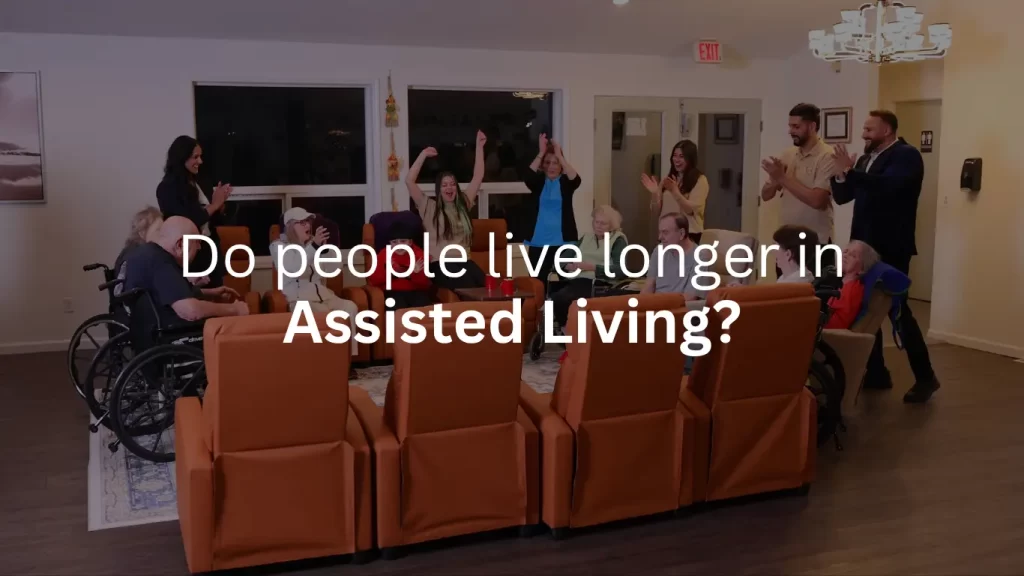
Social isolation is strongly linked to declining health. In assisted living, seniors engage in daily interactions, activities, and companionship, which supports emotional well-being. Research from the Alzheimer’s Association also highlights the importance of structured environments in improving outcomes for seniors with memory-related conditions.
Safer Living Environment
Falls, missed medications, and lack of supervision are common risks at home. Assisted living reduces these risks through 24/7 support, mobility assistance, and a controlled environment designed for aging safely.
Real-Life Scenarios: Timing Makes the Difference
Consider two common situations.
A senior who moves into assisted living after a major health event, such as a stroke at age 85, may require intensive care and may only stay for a shorter period due to their advanced condition.
In contrast, someone who chooses assisted living earlier while still relatively independent often experiences a more stable and supported lifestyle. With proper nutrition, social engagement, and ongoing monitoring, they may maintain their health and independence for a longer period.
This difference highlights a key truth that timing plays a major role in senior living outcomes.

Assisted Living vs Living at Home
Living at home offers familiarity and independence, but it can also come with hidden risks such as isolation, inconsistent care, and delayed response during emergencies.
Assisted living, on the other hand, provides a balance of independence with structured support. Seniors are not left alone during critical moments, and daily needs such as meals, medication, and mobility are consistently managed.
The difference is not just about where a aging senior lives, it is about how supported they are in that environment.
Key Factors That Influence Life Expectancy in Assisted Living
Life expectancy in assisted living is shaped by a combination of factors, including age at entry, existing health conditions, emotional well-being, level of care required, and the quality of the facility itself. Seniors who move earlier, stay socially engaged, and receive consistent care often experience better overall outcomes.
Finding the Right Assisted Living near Bonney Lake, Pierce County, Washington
If you’re searching for assisted living in Bonney Lake or senior living facility in Pierce County, the most important thing to look for is a place that offers consistent care, safety, and a supportive daily environment for seniors at every stage of aging.
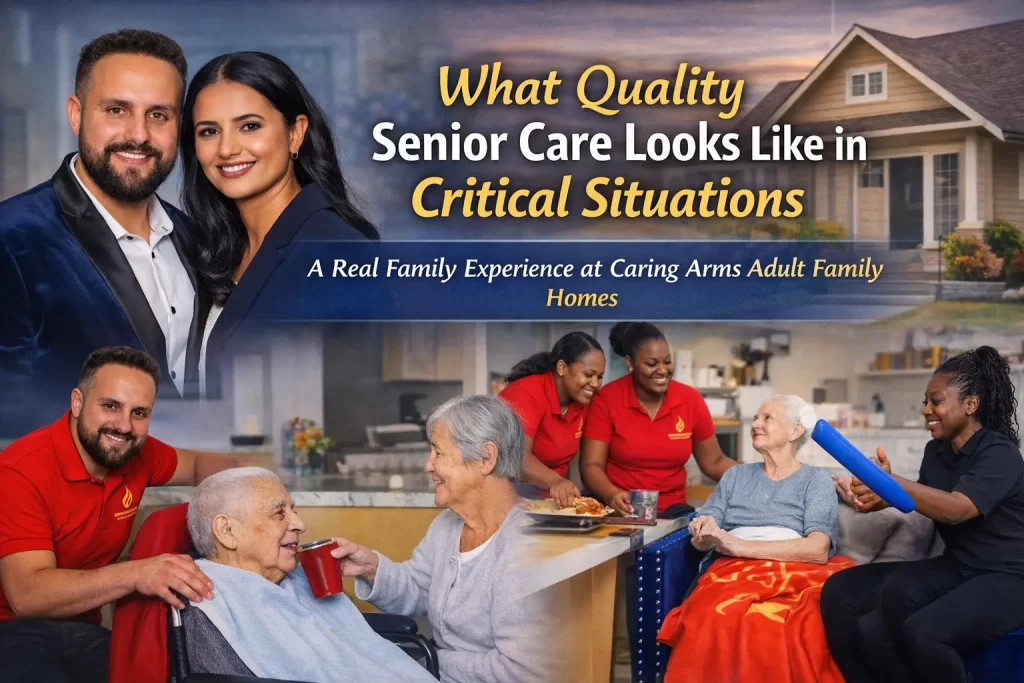
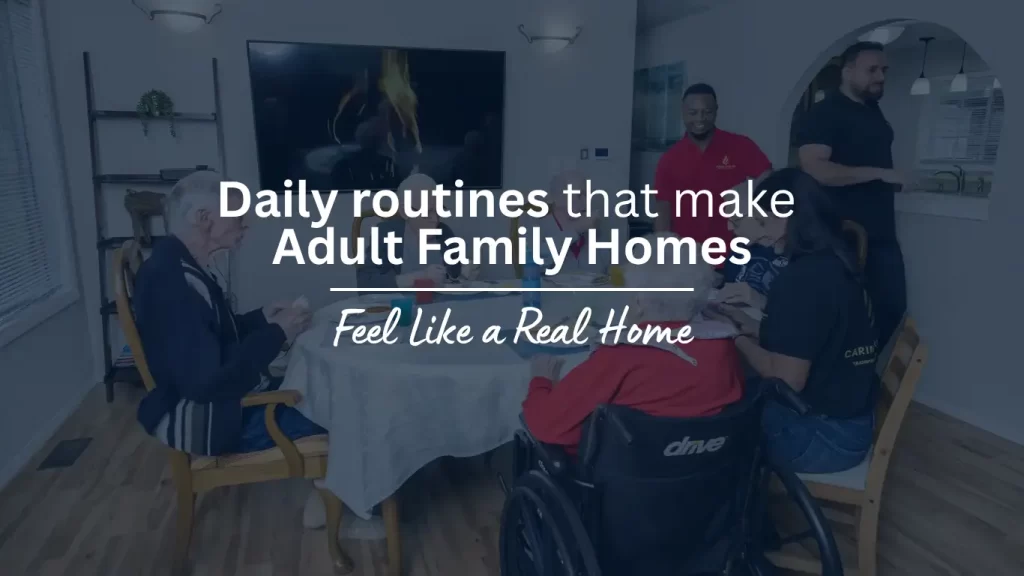
Caring Arms Adult Family Homes provides high-quality assisted living and memory care designed for seniors who need both basic support and more advanced care. Our approach focuses on creating a home-like environment where residents feel comfortable, respected, and properly cared for, rather than placed in a large, institutional setting.
Our homes are built around 24/7 caregiver availability, ensuring that help is always present for daily activities such as mobility support, medication management, personal care, and supervision. For seniors living with dementia, chronic conditions, or recovering after hospitalization, this level of consistent attention plays a critical role in maintaining stability and overall well-being.
In addition to care, we focus on the small details that improve daily life – nutritious, home-cooked meals, structured routines, social engagement, and a calm, safe environment where seniors can live with dignity. This combination of personalized care, medical awareness, and emotional support is what allows residents to not just live safely, but live better and longer.
Caring Arms Adult Family Homes is a trused assisted living provider for families near Bonney Lake and Pierce County because we prioritize quality, reliability, and compassion in every aspect of care. Whether your loved one needs assisted living, memory care, or long-term support, we provide a setting where nothing is left to chance, and someone is always there for your aging parents.
Conclusion: Do People Live Longer in Assisted Living & How to find the right Home for your Parents?
Assisted living does not automatically extend life. However, it can significantly improve the conditions that support healthier living- such as safety, consistency, and social connection. Seniors who move earlier, receive high-quality care, and stay engaged often experience better stability and, in many cases, a longer and more comfortable life.
Families while comparing assisted living options should look for environments where care is consistent, caregivers are trained and available around the clock, and residents receive personalized attention based on their physical and cognitive needs.
A smaller, home-style setting often allows for closer monitoring, stronger relationships, and more individualized care compared to larger institutional environments.