
Why Some Assisted Living Homes Feel Safe – and Others Don’t
A Closer Look at Caring Arms Adult Family Homes and Family-Style Care in Washington
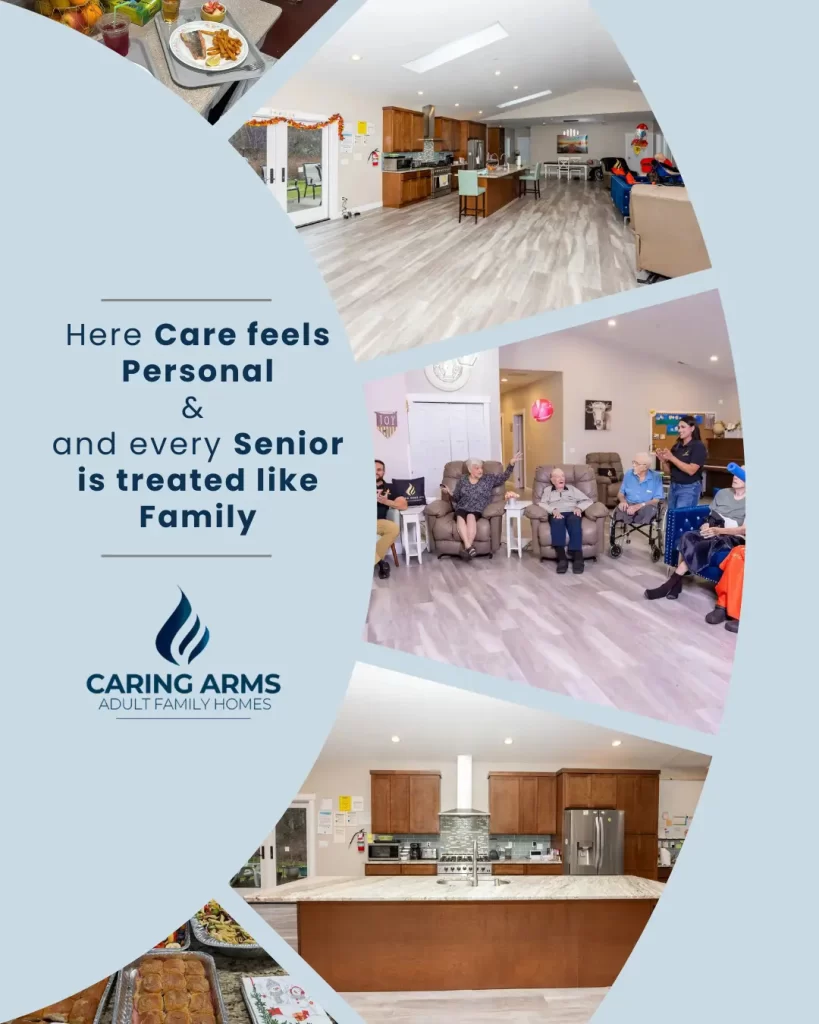
When families begin searching for an assisted living homes in Washington, they often think they are comparing care services, costs, or room layouts. But beneath every tour, every website visit, and every late-night Google search is a deeper concern that rarely gets spoken out loud.
“Will my loved one be truly safe when I’m not there?”
– Not just medically safe.
– Not just supervised.
But safe in the way that allows families to sleep at night without worry.
This question becomes even more important for families exploring assisted living and memory care in communities like Bonney Lake, Shoreline, and across Washington, where options vary widely and outward appearances can be misleading.
This article takes a deeper look at why some assisted living homes feel safe and others don’t, and how Caring Arms Adult Family Homes approaches safety differently through small, family-style care environments.
What Safety Really Means to Families – Beyond Policies and Procedures
For families, safety of their elders is not a checklist. It’s a feeling built slowly through trust, observation, and consistency.
A care home feels safe when families sense that caregivers are:
- Paying attention, not just following routines
- Anticipating risks instead of reacting to emergencies
- Treating residents as individuals, not room numbers
Safety, in the eyes of families, means knowing that someone will notice the small changes before they become big problems – small things like a slight change in balance, a new confusion pattern, a missed meal, or an unusual quietness.
This emotional definition of safety is where many assisted living homes struggle, even if they appear professional on the surface.
Why Some Assisted Living Homes Don’t Feel Safe Even When They Look Good
Many families choose an assisted living facility that seems well-run and well shown from the inside. The building is clean. The staff is polite. The tour goes smoothly.
Yet weeks or months later, something feels off.
This usually happens because safety is being managed through systems instead of relationships.
In larger assisted living communities, caregivers often rotate frequently, oversee many residents at once, and rely heavily on standardized processes. While these systems are designed to maintain order, they can unintentionally create gaps in personal awareness.
Families begin to notice things like:
- No single caregiver truly “knows” their loved one
- Concerns are documented but not always acted on quickly
- Changes in behavior or health are addressed only after escalation
- Medications are missed
- Food only look good from the outside.
At this point, safety no longer feels proactive. It feels uncertain. And uncertainty is what families fear most.
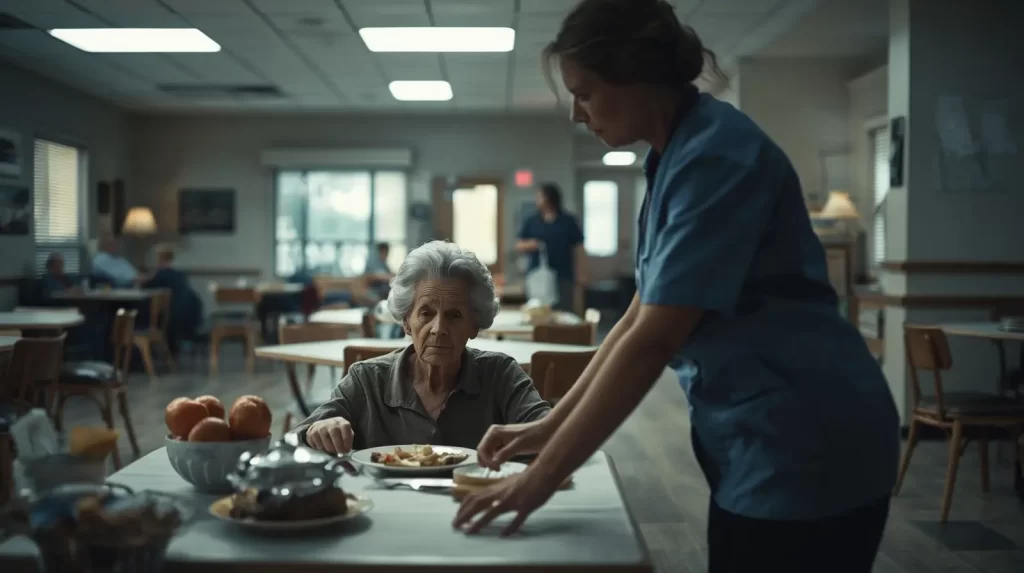
How Caring Arms Adult Family Homes in Washington Approaches Safety Differently for Seniors and their Families
At Caring Arms Adult Family Homes, safety is not treated as a department or a protocol. It is treated as a daily responsibility rooted in familiarity, consistency, and presence.
The foundation of this approach is simple but powerful: smaller homes create safer environments.
Let’s explore why.
Smaller Assisted Living Homes Create Real Safety Advantages
In our private adult family homes serving six to ten residents, care operates on a completely different scale.
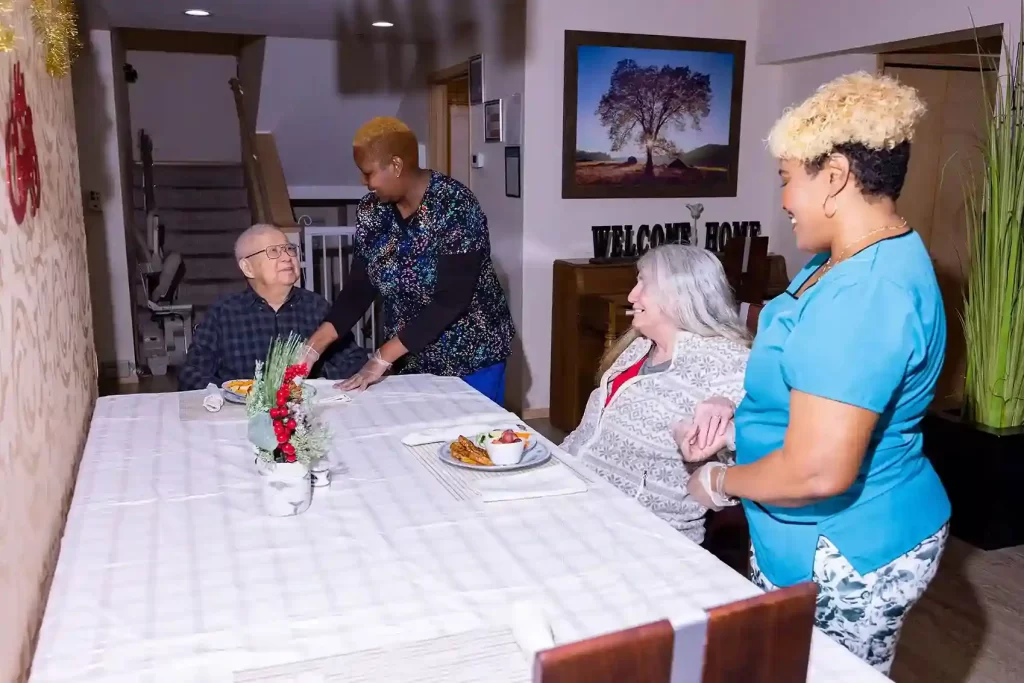
Caregivers are not managing crowds. They are managing people with love and respect.
This allows caregivers to:
- Learn each resident’s physical abilities and limitations
- Recognize subtle changes in mood, movement, or cognition
- Adjust care naturally as needs evolve
In small assisted living homes, safety is woven into daily life rather than enforced through rules. Residents move through familiar spaces, follow consistent routines, and interact with caregivers who truly know them.
This model is especially effective for seniors needing memory care, Parkinson’s care, stroke recovery support, and long-term assisted living in our homes across Bonney Lake, Shoreline, Kirkland, and nearby locations in Washington.
Safety Through Familiar Faces and Consistent Care
One of the most overlooked safety risks in senior care homes is caregiver inconsistency.
When caregivers change frequently, even the most experienced staff can miss early warning signs. But when the same caregivers are present day after day, patterns become clear.
We don’t change caregivers unless there is a strong reason to do so. Consistent caregivers notice:
- Changes in walking speed or posture that may signal fall risk
- Shifts in appetite or sleep that may indicate discomfort or illness
- Emotional changes that suggest anxiety, depression, or confusion- just like a family member does.
For seniors, this familiarity creates emotional security. For families, it creates confidence that someone is truly watching over their loved one, not just supervising them.
Mobility, Fall Prevention, and Everyday Physical Safety
Most serious injuries in assisted living don’t happen during dramatic events. They happen during ordinary moments like- standing up too quickly, walking to the bathroom at night, or bathing without enough support.
That’s why real physical safety is proactive, not reactive.
In our smaller assisted living homes in Seattle, Washington, caregivers can provide:
- Timely assistance during transfers and movement
- Close monitoring of fatigue and balance changes
- Safer bathing routines that reduce slip and fall risk
For seniors recovering from hospitalization or managing conditions like Parkinson’s disease, stroke-related mobility challenges, or disability challenges this level of attention can prevent setbacks that often lead to emergency care.
Memory Care Safety Is About Structure and Reassurance, Not Control
Memory care safety is often misunderstood at larger assisted living homes.
True safety for seniors with dementia or Alzheimer’s is not about restriction. It is about predictable structure, calm environments, and emotional reassurance.
In our family-style assisted living homes in Washington:
- Daily routines remain consistent
- Environments stay familiar and uncluttered
- Redirection is gentle rather than confrontational
- Supervision feels supportive instead of overwhelming
This approach reduces agitation, confusion, and wandering – while preserving dignity. Families often notice that their loved ones appear calmer, more cooperative, and more at ease.
Medication Safety Depends on Focus, Not Just Systems
Medication management is one area where divided attention can be dangerous.
In larger facilities, caregivers may be responsible for many residents at once, increasing the chance of missed doses or delayed responses to side effects.
In our residential assisted living homes that only takes 6-10 residents, medication routines are calmer and more deliberate. Caregivers can observe how residents respond to medications and communicate concerns early- often preventing complications before they escalate.
Emotional Safety Is a Cornerstone of Life at Caring Arms
A senior can be physically protected and still feel unsafe.
Emotional safety comes from being treated with patience, respect, and familiarity. It’s about not feeling rushed, ignored, or confused.
When seniors feel emotionally secure:
- Anxiety decreases
- Cooperation improves
- Overall well-being increases
Families often describe this difference as a sense of relief- knowing their loved one is not just cared for, but truly comfortable.
Local, Family-Style Care Matters for Seniors needing Assisted Living or Memory care
Families searching for assisted living homes in Washington, including Shoreline and Bonney Lake, often prefer care that keeps their loved ones close to familiar surroundings, medical providers, and family members.
Local care supports safety by:
- Making family involvement easier
- Reducing stress during transitions
- Ensuring faster access to nearby healthcare services
Being close to home is not just convenient- it’s reassuring.
Our Bonney Lake senior’s home is positioned to support residents who need regular medical oversight, post-hospital care, or ongoing chronic condition management.
Nearby access includes: MultiCare Good Samaritan Hospital, St. Elizabeth Hospital, Local rehabilitation and outpatient clinics, SR-410 and nearby arterial roads for faster emergency access.
Our Kirkland Assisted Living Home is close to: EvergreenHealth Medical Center, UW Medicine facilities, Specialty clinics and rehabilitation center, Convenient access to I-405 for regional medical travel.
Nearby access to Shoreline assisted living home includes: UW Medicine Northwest Hospital, Swedish Edmonds, Kaiser Permanente Shoreline Clinic, Highway 99 and major transit routes
From Guessing to Knowing: What Families Experience at Caring Arms
Families feel unsafe when they are left guessing.
At Caring Arms, families feel informed, supported, and involved. Communication is clear. Concerns are addressed early. Care feels personal.
This shift- from uncertainty to confidence is what many families describe as the true difference.
Final Thoughts: Safety You Can Feel, Not Just Measure
Many assisted living homes meet standards.
Fewer create peace of mind.
However, safety of seniors at Caring Arms Adult Family Homes is built quietly- through familiarity, attentiveness, and personal care.
For families exploring assisted living homes in Washington, memory care homes in Bonney Lake, long-term care in Shoreline, care homes for seniors with dementia in Bonney Lake, understanding why some homes feel safe, and others don’t, can make all the difference- So choose wisely before making a decison.
Take a tour to multiple homes, speak to residents, try to judge how they respond, do they feel happpy from inside or you sense a hidden fear. Compare them, trust your guts, check Gooogle ratings,try and speak to residents family. If care is authentic, everything willl be crystal clear and you will come home with a wise decision.
Get in Touch with Caring Arms Adult Family Homes
You can skip the queue and directly get in touch with our facility owner directly rather than speaking to a sales co-ordinator and learn more about costs, care options, or additional arrangements, call us at: 253-486-8940.
We also welcome you to directly schedule a tour to our assisted living homes by clicking on schedule a private tour now.
Also, explore our Senior Living Homes in Washington
Bonney Lake Assisted Living & Memory care Home
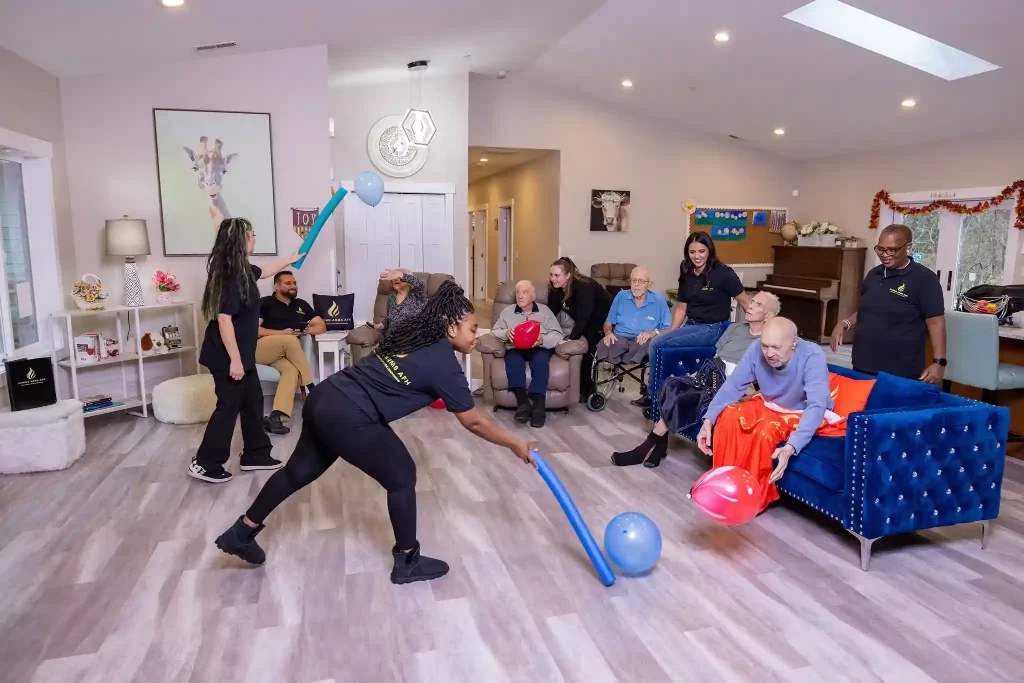
Located at:
8910 Angeline Rd E, Bonney Lake, WA 98391
Caring Arms Adult Family Home in Kirkland, WA
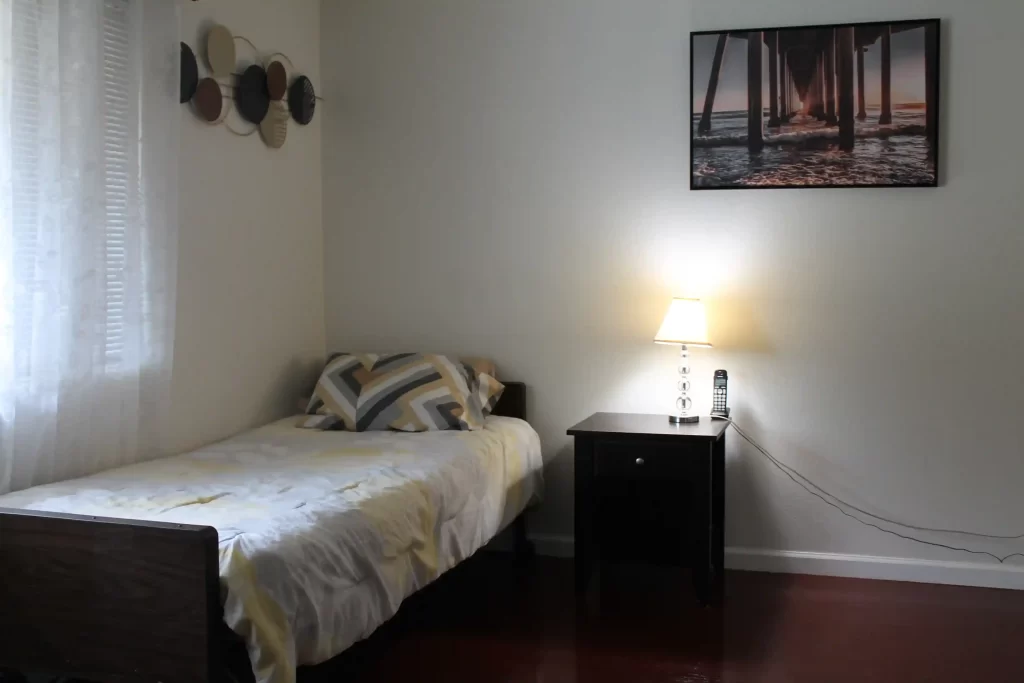
Located at:
11617 NE 139th St, Kirkland, WA 98034
Explore our senior care home in Kirkland, WA
Private Assisted Living Home in Shoreline, WA
Located at:
738 N 200th St, Shoreline, WA 98133
See how our assisted living home in Shoreline is changing lives of senior residents.