
10 Early Warning Signs of Dementia
What Families in Washington Need to Know- and When Assisted Living or Memory Care May Be the Safest Next Step

When families begin searching online for “warning signs of dementia” or “early signs of Alzheimer’s,” it usually doesn’t start with certainty.
It starts with a feeling.
Something feels off. A parent repeats the same story. A spouse seems more withdrawn. A loved one forgets something important- not once, but repeatedly. And suddenly, families are left wondering:
Is this normal aging? … or something more serious?
This guide is written for families who are quietly worried but unsure what to do next. It is designed to help you recognize early warning signs of dementia, understand how dementia differs from normal aging, and know when it may be time to seek medical guidance, memory care, or assisted living support.
This article is informational, not diagnostic. Dementia can only be diagnosed by a qualified medical professional. However, understanding early signs allows families to act before safety, dignity, and quality of life are compromised.
Dementia vs. Normal Aging: Why Early Signs Are Often Missed
Aging does change the brain- but dementia is not a normal part of aging.
Dementia is a term used to describe progressive cognitive decline that interferes with daily life, independence, and safety. It includes conditions such as:
Alzheimer’s disease
Alzheimer’s is the most common form of dementia. It primarily affects memory, learning, and reasoning. Early symptoms often include forgetting recent conversations, difficulty recalling names, and confusion with daily routines. Over time, Alzheimer’s impacts communication, judgment, and physical functioning.
Vascular dementia
Vascular dementia occurs when blood flow to the brain is reduced, often due to strokes or chronic vascular conditions. Symptoms may appear suddenly or progress gradually and often include difficulty with planning, decision-making, and problem-solving rather than memory alone.
Lewy body dementia
Lewy body dementia affects both cognitive and physical abilities. Individuals may experience memory issues, visual hallucinations, sleep disturbances, muscle stiffness, and fluctuations in alertness. These symptoms are often misunderstood or misdiagnosed in early stages.
Frontotemporal dementia
FTD primarily affects personality, behavior, and language. Changes may appear as inappropriate social behavior, loss of empathy, impulsivity, or difficulty speaking. Because memory may initially remain intact, families often miss early warning signs.
Mixed dementia
Mixed dementia occurs when more than one type of dementia is present, commonly Alzheimer’s combined with vascular dementia. Symptoms vary widely, making diagnosis and early recognition more challenging.
According to the Alzheimer’s Association and the National Institute on Aging, dementia affects memory, reasoning, language, judgment, and behavior- and condition worsens over time.
Why These Signs Are Often Missed
What makes early dementia especially difficult is that symptoms often appear gradually, and families may normalize or rationalize them as stress, aging, or personality changes.
Early recognition matters because it allows families to:
- Seek medical evaluation sooner
- Reduce safety risks
- Plan care thoughtfully instead of during a crisis
- Preserve independence and dignity for as long as possible
Let us now review the 10 early warning signs of dementia that familes shouldn’t ignore in the next section.
The 10 Early Warning Signs of Dementia Families Should Never Ignore
1. Memory Loss That Disrupts Daily Life
One of the earliest and most recognizable warning signs is persistent memory loss that interferes with everyday functioning. This includes forgetting recently learned information, repeating the same questions, missing appointments, or relying heavily on reminders and family support.
Typical age-related change:
Occasionally forgetting names or appointments but remembering them later.
Why early attention matters:
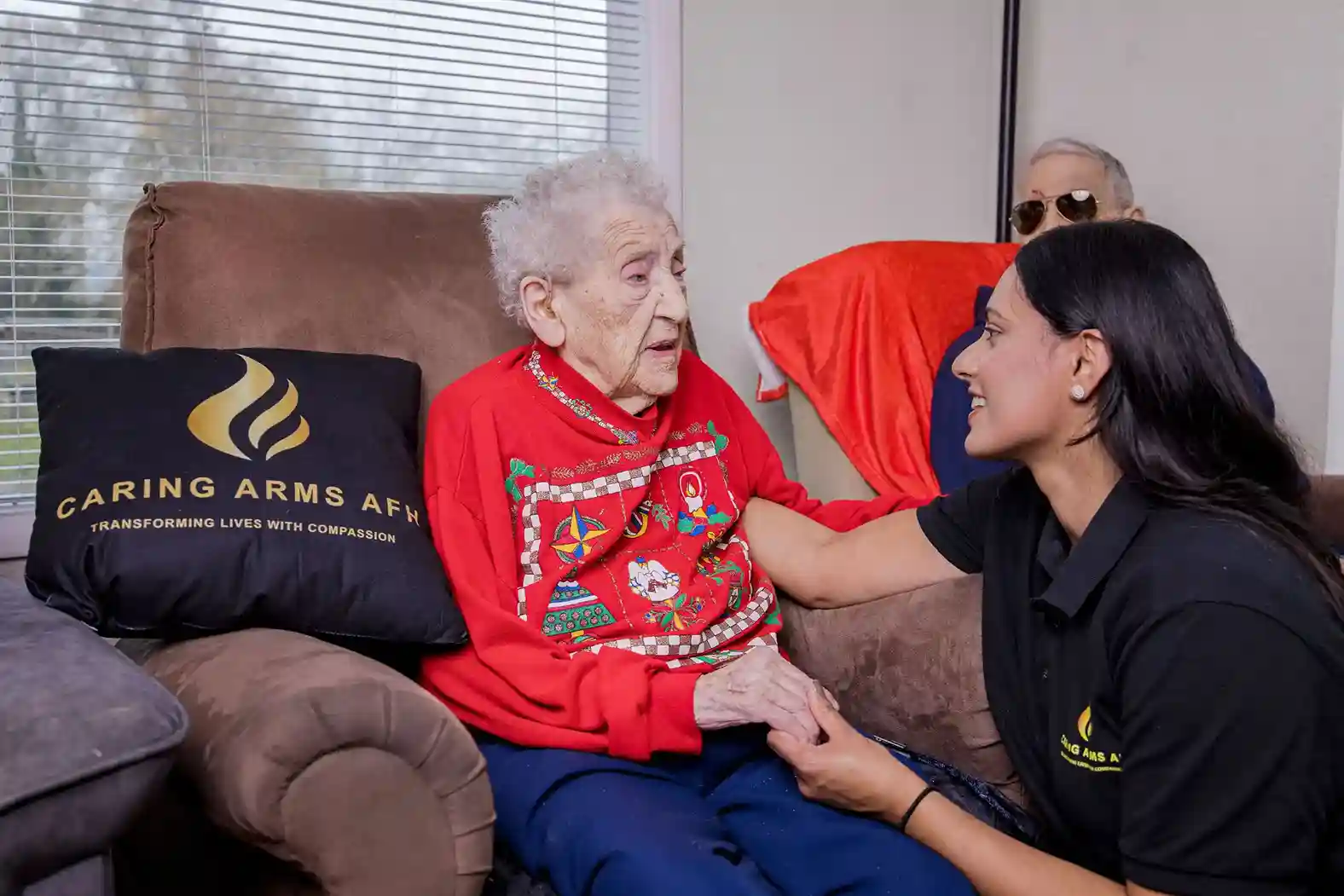
When memory loss affects medication management, meal routines, or safety awareness, daily independence becomes fragile. At Caring Arms Adult Family Homes in Bonney Lake, Assisted Living Facility in Shoreline, and Memory care homes in Kirkland, structured routines, medication supervision, and consistent caregiving help seniors maintain stability while reducing stress and risk.

2. Challenges in Planning or Solving Problems
Early dementia can affect a person’s ability to think sequentially or manage tasks that require concentration.
Families may notice:
- Difficulty following recipes or familiar routines
- Trouble managing bills or finances
- Increased frustration with tasks that were once easy
- Longer time needed to complete everyday activities
Typical age-related change:
Occasional mistakes when balancing finances or managing paperwork.
Why early attention matters:
Difficulty planning can result in missed medications, unpaid bills, and unsafe decisions. At our assisted living and memory care facility in Bonney Lake, WA, and other senior living facilities in Washington– caregivers provide daily guidance, structured schedules, and hands-on support to help residents navigate tasks safely and confidently.
3. Difficulty Completing Familiar Tasks
People with dementia may struggle with activities they have done for years such as:
– Trouble driving to familiar places
– Difficulty organizing a grocery list
– Forgetting the rules of a favorite game
– Needing help with appliances or daily routines
Typical age-related change:
Needing occasional help with new technology and other things they used to remember before.
Why early attention matters:
When familiar tasks become overwhelming, safety risks increase. Caring Arms Adult Family Homes offer a secure environment where seniors diagnosed with Dementia can receive assistance with daily activities while preserving independence where possible.

4. Confusion With Time or Place
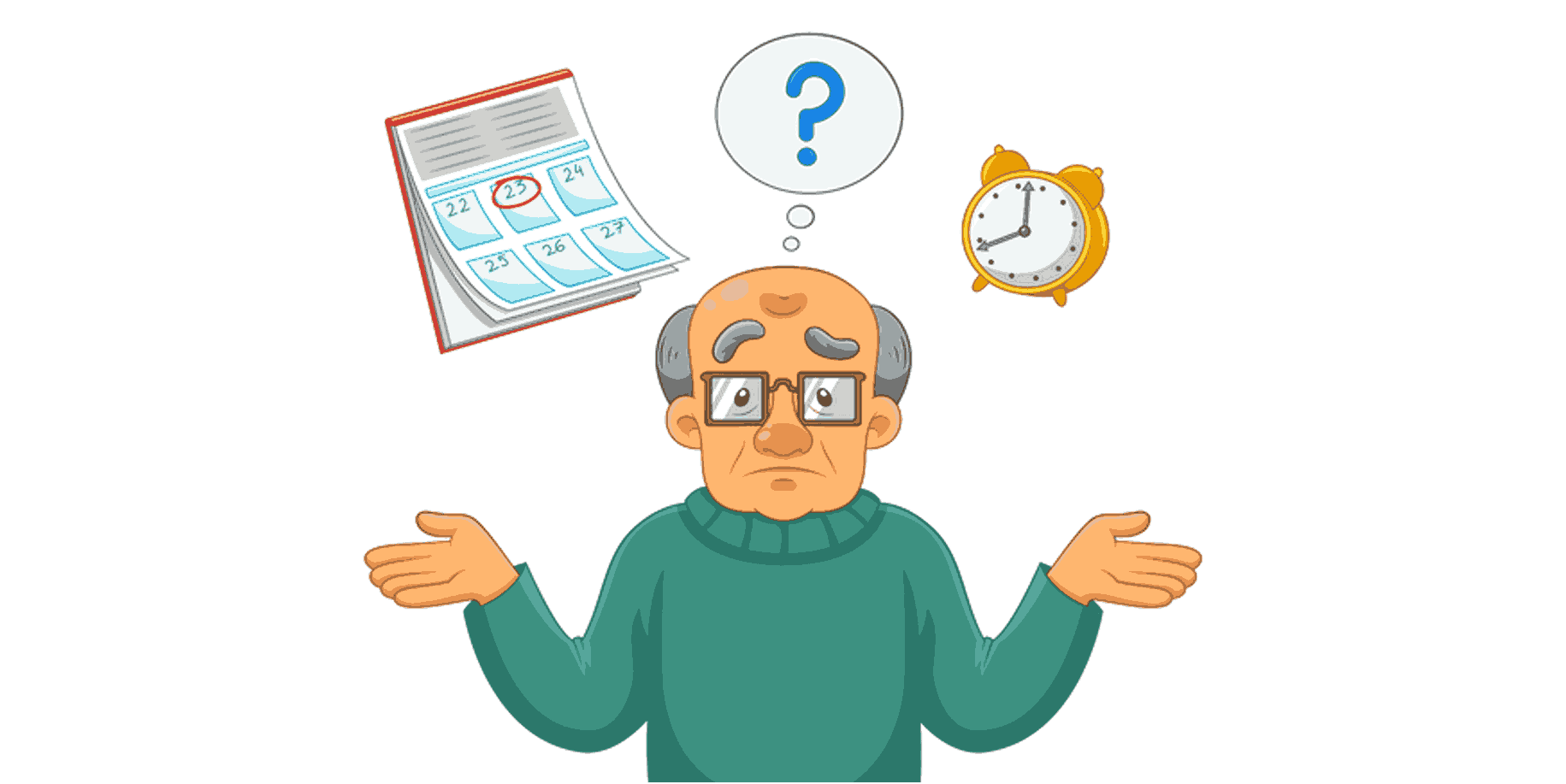
Dementia can distort a person’s sense of time, date, or location.
Warning signs include:
- Confusion about familiar environments
- Losing track of dates or seasons
- Forgetting where they are or how they got there
Typical age-related change:
Momentary confusion that resolves on its own, or forgetting places.
Why early attention matters:
Disorientation increases the risk of wandering and anxiety. Caring Arms homes are designed to provide calm, familiar surroundings with consistent supervision, reducing confusion and emotional distress.
5. Difficulty Completing Familiar Tasks
Dementia may affect how the brain interprets visual information. Seniors with dementia might show symptoms like:
– Problems with driving or navigating stairs
– Difficulty judging distances
– Trouble with balance
– Challenges reading
Typical age-related change:
Vision changes related to aging or cataracts.
Why early attention matters:
Visual-spatial challenges significantly increase fall risk. Caring Arms prioritizes fall prevention through home design, caregiver monitoring, and mobility support.

6. New Problems With Words in Speaking or Writing
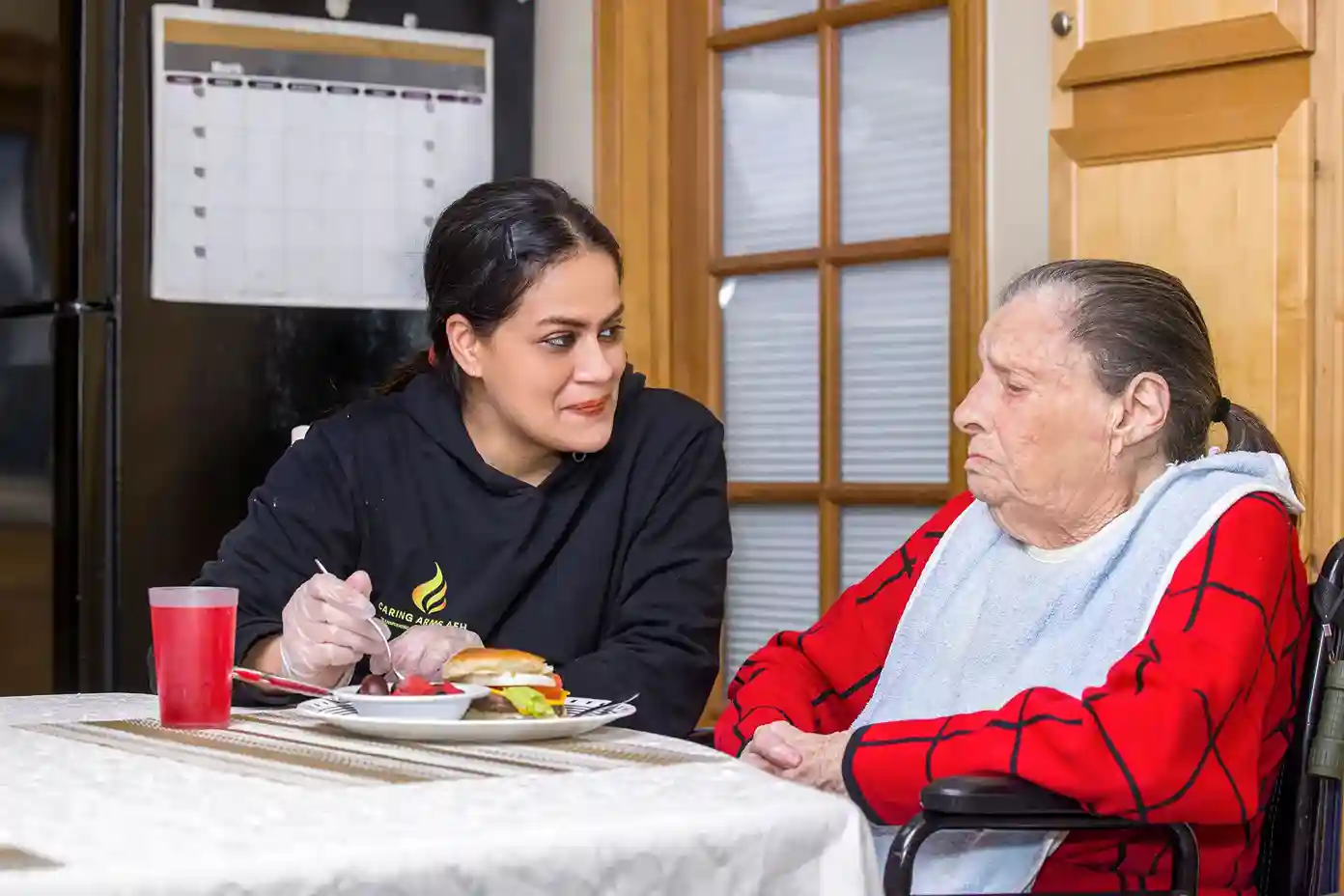
Language changes are common early indicators of early stage dementia. You may notice your elders:-
– Using incorrect or made-up terms
– Difficulty following conversations
– Repeating stories
– Trouble finding the right words
Typical age-related change:
Occasionally struggling to find the right words or sentences
Why early attention matters:
Communication breakdown can lead to isolation, frustration, and misunderstandings, affecting emotional well-being.
7. Misplacing Things and Losing the Ability to Retrace Steps
While everyone misplaces items, dementia-related behavior looks different.
Warning signs include:
- Accusing others of stealing
- Placing items in unusual locations
- Inability to retrace steps
Typical age-related change:
Misplacing items but eventually finding them.
Why early attention matters:
This behavior often escalates anxiety, conflict, and distrust, especially without calm, familiar caregiving support.


8. Dementia Can Cause Decreased or Poor Judgment
Dementia affects decision-making. Families may observe their elder ones making unsafe choices, unusual spending or financial vulnerability, lacking interest or forgetting taking care of their hygiene or grooming.
Typical age-related change:
Occasional poor decision-making with finances or putting their life at risk.
Why early attention matters:
Judgment decline can expose seniors to exploitation, accidents, or self-neglect.
9. Withdrawal From Work or Social Activities
You will find your elders losing interest in previously enjoyed activities. Commmon things they lose interest in can be:
- Avoiding social gatherings
- Losing interest in hobbies
- Difficulty following conversations
Typical age-related change:
Occasional desire for solitude or sitting quitely in one place for long hours
Why early attention matters:
Social withdrawal often signals cognitive strain and emotional distress.

10. Changes in Mood and Personality
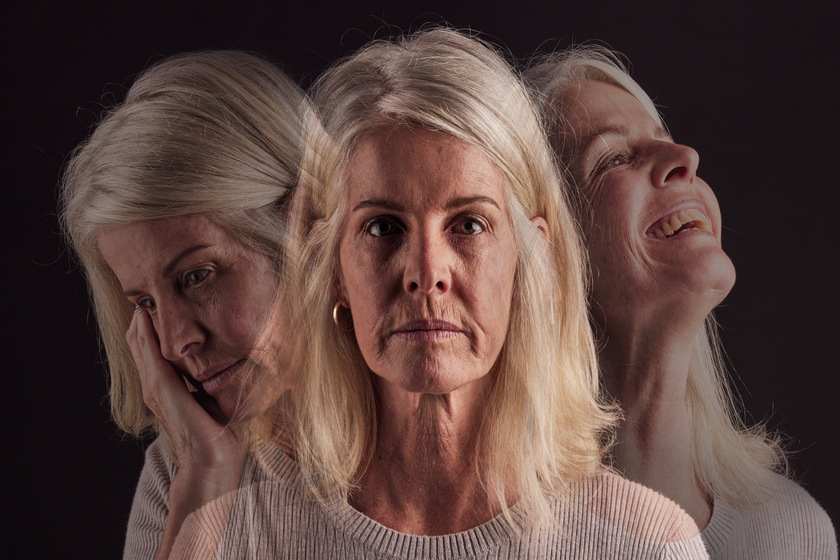
Personality changes may appear early in people with dementia. Common signs can be increased anxiety or fear, depression, irritability, suspicion or confusion.
Typical age-related change:
Becoming set in routines or preferences.
Why early attention matters:
Emotional instability often worsens without structure, reassurance, and consistent caregiving
What to Do If You Notice These Dementia Warning Signs
Schedule a Medical Evaluation.
Families in Bonney Lake and surrounding Washington communities can start with:
- A primary care physician
- A neurologist or geriatric specialist
- Memory clinics or healthcare systems such as MultiCare or UW Medicine
A professional evaluation helps determine whether symptoms are dementia-related, and guides next steps.
Other things you can do at home in early stages of these dementia signs:
Document Changes Over Time
Keeping notes on behaviors, memory changes, and safety concerns helps physicians make accurate assessments and supports better care planning.
Discuss Concerns With Family Members
Open communication ensures shared understanding and prevents crisis-driven decisions.
Explore Support Options Early
Early exploration allows families to choose the right care environment rather than reacting to emergencies.
See our Dementia Care & Assisted Living Facilities Near Bonney Lake, WA that specializes in professional senior care.
When Families Begin Exploring Memory Care or Assisted Living
As dementia progresses, many families realize that home care alone is no longer safe or sustainable. Assisted living and memory care homes provide- structured routines, medication management, safety-focused environments, and compassionate caregiving.
Caring Arms Adult Family Homes in Bonney Lake and Shoreline offer personalized dementia care in a smaller, family-style senior living home– helping residents feel secure, respected, and supported.
Final Thought for Families
Noticing dementia warning signs is emotional. It brings fear, guilt, and uncertainty.
But recognizing them early is an act of love.
The goal is not to take independence away- it’s to protect safety, dignity, and quality of life before a crisis forces decisions.
If you are reading this, you are already doing the right thing: Paying Attention.
Also, explore our Senior Living Homes in Washington
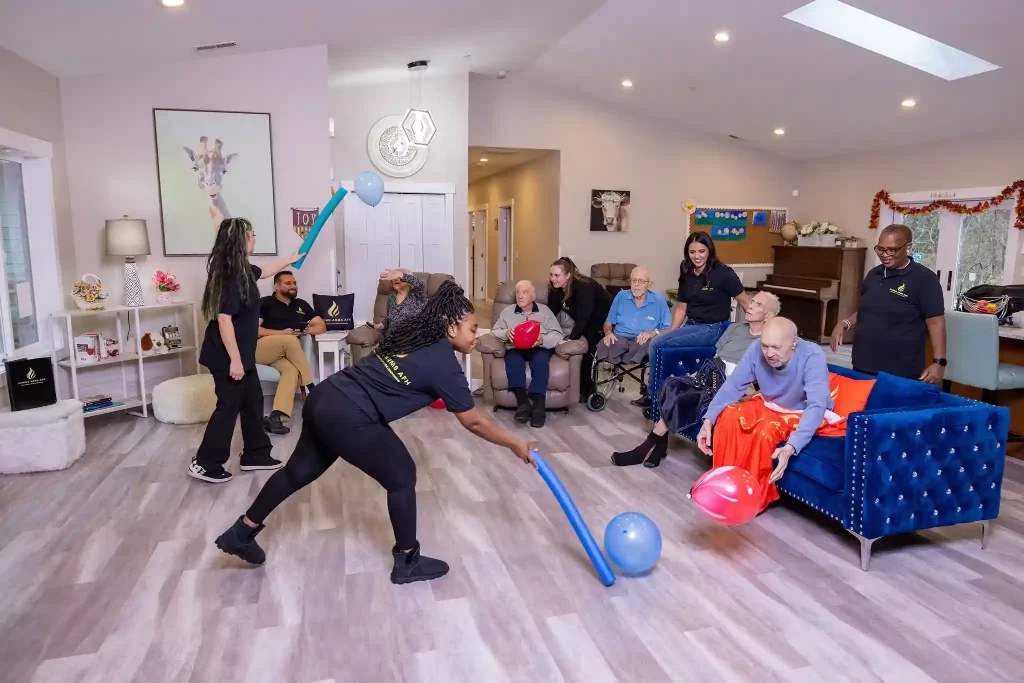
Bonney Lake Assisted Living & Memory care Home
Located at:
8910 Angeline Rd E, Bonney Lake, WA 98391
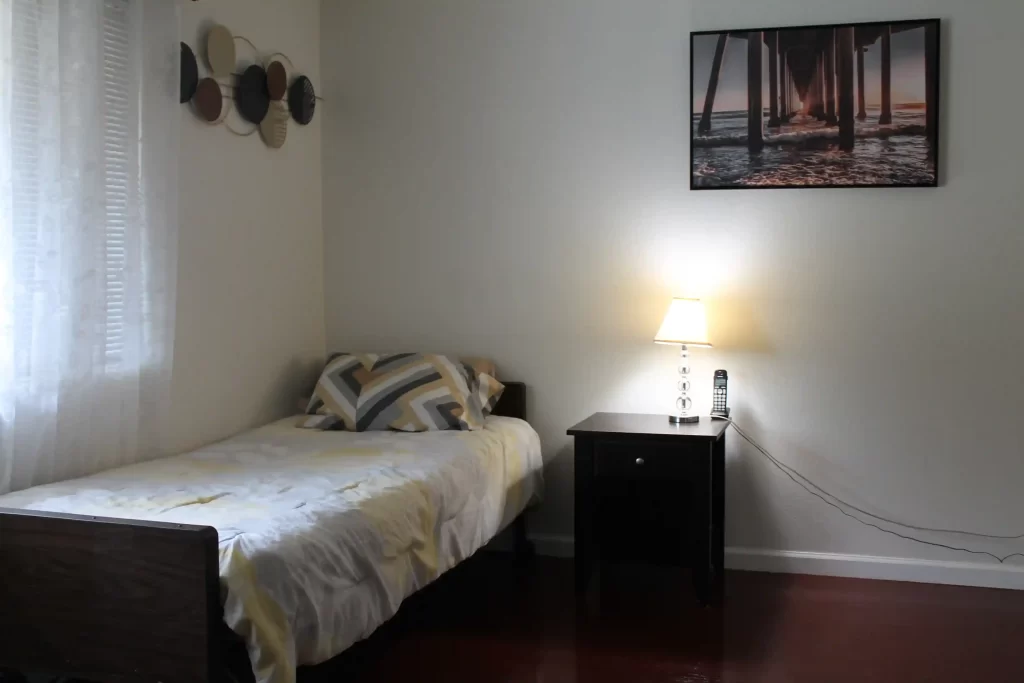
Caring Arms Adult Family Home in Kirkland, WA
Located at:
11617 NE 139th St, Kirkland, WA 98034
Explore our senior care home in Kirkland, WA
Private Assisted Living Home in Shoreline, WA
Located at:
738 N 200th St, Shoreline, WA 98133
See how our assisted living home in Shoreline is changing lives of senior residents.
Got concerns? Skip the queue and get in touch directly with our facility owner and learn more about costs, care options, or additional arrangements, call us at: 253-486-8940.
We also welcome you to directly schedule a tour to our assisted living homes by clicking on schedule a private tour now.