How Many Residents Can an Adult Family Home Have in Washington State?

An adult family home in Washington State can care for two to six residents under a standard state license. In certain cases, a home may be approved to serve seven or eight residents, but only after meeting strict licensing, safety, and inspection requirements set by the state.
For most families researching senior living options, the typical and most common answer is six residents per home.
Understanding this number is important. It tells you whether a home is operating legally, how personalized the care may be, and how adult family homes compare to larger assisted living or nursing facilities.
What Is an Adult Family Home in Washington?
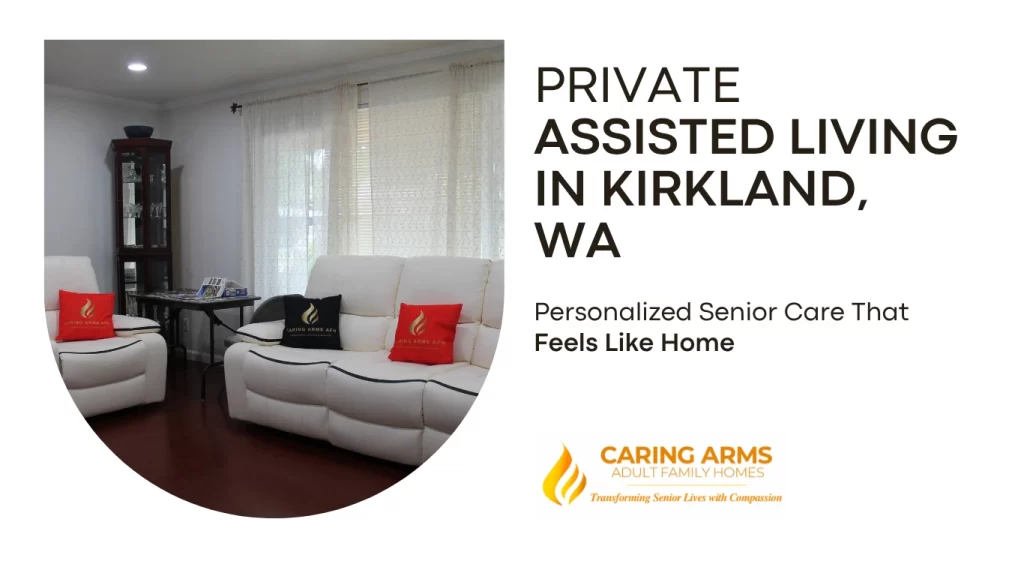
An adult family home (AFH) is a private residential home located in a neighborhood that is licensed to provide 24-hour care and supervision for seniors and adults with disabilities. Unlike larger assisted living communities or nursing facilities, adult family homes are intentionally small and designed to feel like a real home rather than a large senior living facility.
These homes provide assistance with activities of daily living such as bathing, dressing, mobility support, medication management, meals, laundry, and supervision. Some adult family homes also offer specialized support for residents living with dementia or Alzheimer’s disease.
All adult family homes in Washington are licensed and inspected by the Washington State Department of Social and Health Services (DSHS), which regulates resident capacity, safety standards, staffing, and care requirements.
Standard Resident Limit for Adult Family Homes Is 2 to 6 Residents
Under Washington State law (RCW 70.128), a standard adult family home license allows no more than six non-related residents to live in the home at one time.
This six-resident limit is not random. It is part of the regulatory structure that defines what an adult family home is. The small size helps maintain a residential atmosphere and allows caregivers to provide closer supervision and individualized attention.
If a home has more than six residents, it must have formal state approval to operate at a higher capacity.
Can an Adult Family Home Have 7 or 8 Residents?
Yes, but only under enhanced licensing approval.
Washington allows certain adult family homes to increase capacity to seven or eight residents if they meet additional requirements. These requirements are designed to protect current residents and ensure that care quality does not decline with expansion.
To qualify for increased capacity, a home must:
- Be licensed for at least 24 months
- Have operated with six residents for at least 12 months
- Pass multiple full state inspections without enforcement actions
- Demonstrate financial stability and operational experience
- Install and maintain a residential sprinkler system
- Show the ability to safely evacuate all residents
- Prove that adding residents will not negatively impact quality of life
- Notify the local jurisdiction before approval
If a seven- or eight-bed home falls out of compliance, the state may revoke its approval and reduce it back to six residents.
For this reason, most adult family homes across Washington continue to operate with the traditional six-resident structure.
Why the Six-Resident Model Is Preferable for Many Seniors
While some seniors prefer large assisted living communities with extensive amenities, many families specifically seek out smaller adult family homes because of the six-resident model.
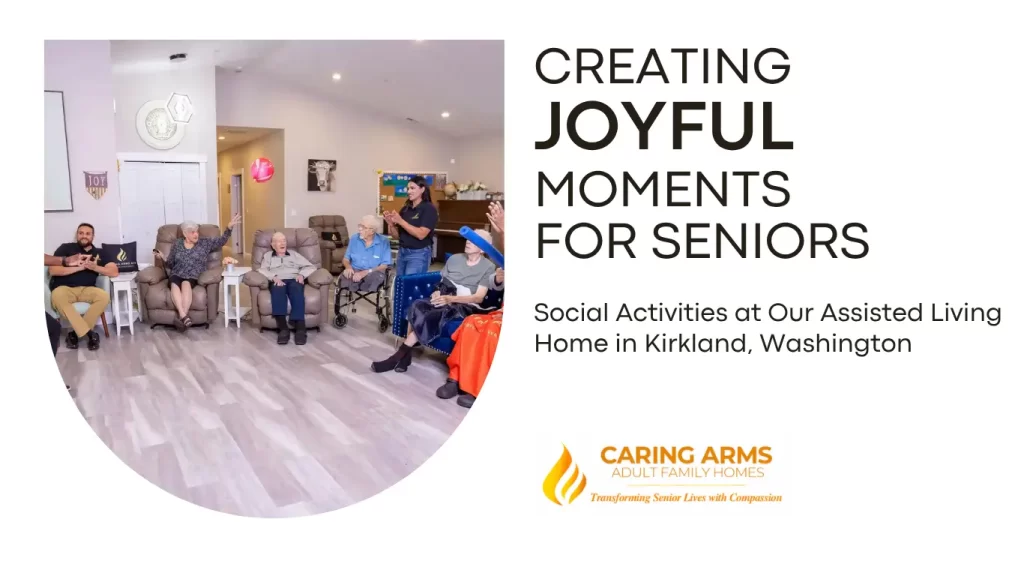
In a six-bedroom home, caregivers are able to spend more time with each resident. Daily routines, medication schedules, food preferences, and mobility needs become familiar to staff members. This familiarity often leads to more personalized care compared to larger senior living facilities where staff may rotate frequently.
The smaller environment also tends to encourage stronger relationships between residents and caregivers. With fewer people in the home, residents are not just room numbers — they are known individually. Families often appreciate the consistency and continuity this provides.
From a staffing perspective, a lower resident count can mean more direct supervision and quicker response times, especially overnight.
For seniors who require assisted living support or memory care services, a smaller setting may reduce overstimulation and confusion. Individuals living with dementia often benefit from quieter surroundings and consistent caregivers who understand their routines and behaviors.
That said, care preference is personal. Some seniors thrive in larger social environments, while others prefer a close-knit, home-like setting. The six-resident model exists to provide that smaller-scale option.
Adult Family Home vs Assisted Living: Resident Size Comparison
One of the biggest differences between adult family homes and assisted living facilities is resident capacity.
An adult family home typically serves 2 to 6 residents (up to 8 with special approval).
Assisted living communities often serve 20 to 100 or more residents.
Nursing facilities may house 50 to 150+ residents.
The choice often comes down to environment preference, medical needs, social lifestyle, and desired level of personalization.
How to Verify if an Adult Family Home Is Properly Licensed
Because resident limits are strictly regulated in Washington, families can and should verify a home’s licensing status.
Before choosing a home, you can ask:
- How many residents currently live here?
- Are you licensed for six, seven, or eight residents?
- When was your last state inspection?
- Have there been any enforcement actions?
Since the Washington State Department of Social and Health Services oversees licensing and inspections, exceeding approved capacity would be a regulatory violation.
Understanding the six-resident rule helps families ensure they are choosing a compliant and legally operating senior living home.
How Understanding Resident Limits Helps Families Choose Senior Living in Greater Seattle
For families across Greater Seattle — including Federal Way, Des Moines, Kent, Puyallup, Sumner, Maple Valley, Shoreline, and Belle Vie of Allyn — understanding adult family home capacity helps narrow down the right type of senior living option.
Top senior living facilities such as Caring Arms Adult Family Homes operate within Washington’s licensing framework, maintaining intimate six-bedroom residential homes designed for personalized senior care. With multiple locations throughout the region, these homes focus on individualized support, 24-hour supervision, assisted living services, and memory care in a true residential setting.
Rather than expanding beyond the traditional six-resident structure, many families specifically seek homes that preserve this smaller environment for consistency and quality.
Final Answer: How Many Residents Can an Adult Family Home Have in Washington?
In Washington State, an adult family home can legally care for two to six residents under a standard license. Some homes may receive special approval to serve seven or eight residents, but only after meeting strict inspection, safety, and compliance requirements established by the state.
Most adult family homes operate with six residents because that structure defines the residential, small-home model that distinguishes adult family homes from larger assisted living and nursing facilities.
For families comparing senior living options, the number of residents is more than a statistic. It directly affects the environment, level of attention, supervision, and overall experience your loved one will receive.
Choosing the right setting begins with understanding these limits — and deciding which type of care environment best fits your family’s needs.