
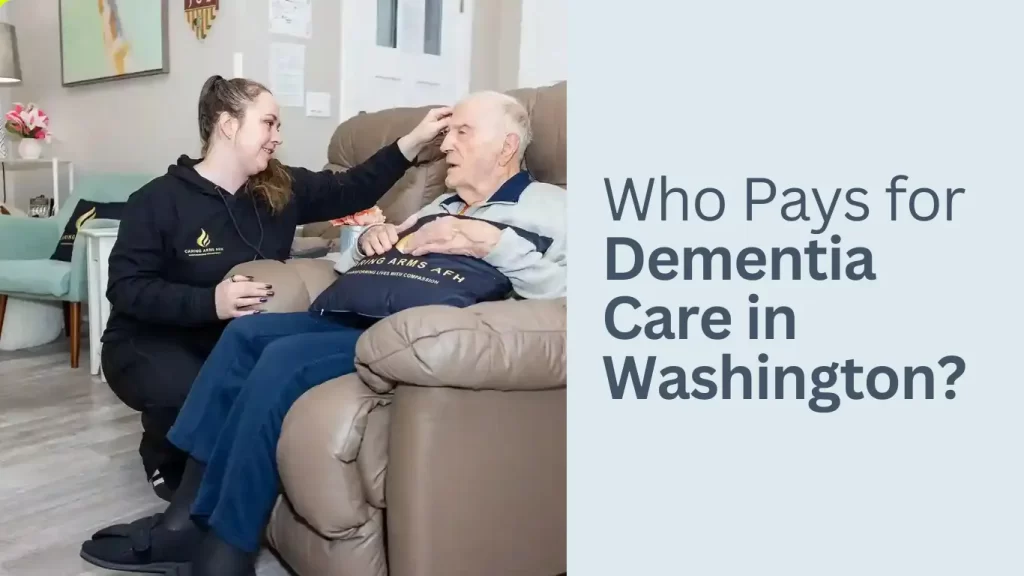
Who Pays for Dementia Care in Washington?
Guide for Families Navigating Memory Care & Dementia Care Costs
When families search “who pays for dementia care in Washington” or “who pays for memory care in Washington State,” they are rarely just researching numbers. They are trying to understand whether care is possible financially, emotionally, and long-term.
The truth is: there is no single payer for dementia care. Instead, care is usually funded through a combination of personal savings, insurance, government programs, and private pay, depending on the person’s situation, diagnosis, and level of care needed.
This guide explains who pays for dementia care homes in Washington, how payment works at different stages, and what families in Bonney Lake and nearby communities should realistically expect.
People Searching for Dementia Care Fall in 4 Main Groups
Most families fall searching for dementia care costs fall into one or more of these categories:
- Families seeking government or state assistance because costs feel overwhelming
- Families hoping insurance or Medicare will cover memory care
- Families combining savings, insurance, and private pay
- Families planning ahead, before care is urgently needed
Understanding which group you fall into helps determine the right path forward.
1. Government Assistance: Does Washington State Pay for Dementia Care?
This is the most common and urgent question families ask:
Does Medicare Pay for Dementia or Memory Care?
No.
Medicare does not pay for long-term dementia care, memory care, or assisted living. It only covers- Short-term hospital stays, Doctor visits, and Limited rehabilitation or skilled nursing after hospitalization.
Once dementia care becomes custodial or ongoing, Medicare coverage stops.
This is one of the biggest misconceptions families face, and often why financial planning is delayed.
Does Medicaid Pay for Dementia Care in Washington?
Yes, partially, and with conditions.
In Washington State, Medicaid (Apple Health) may help cover some dementia care services, but it does not automatically cover room and board in all settings.
What Medicaid may help with are Personal care assistance, Supervision related to dementia, Certain long-term services through waiver programs
What Medicaid usually does not fully cover are:
– Private pay memory care room and board
– Most large assisted living or memory care communities
Many adult family homes and smaller residential dementia care homes in Washington are better positioned to work with Medicaid programs than large corporate facilities.
This is where families often explore smaller, residential dementia care homes, like adult family homes that provide personalized memory care in a home-like setting.
2. Insurance & Benefits: Can Insurance Pay for Dementia Care?
Families often assume health insurance will cover memory care. Unfortunately, this is only sometimes true.
Long-Term Care Insurance
Long-Term Care Insurance is one of the most reliable ways dementia care is funded- if the policy exists.
Long-term care insurance may cover Assisted living for dementia, Memory care homes, or Adult family homes providing dementia care. Coverage depends on Daily benefit limits, Elimination periods, and Policy start date and diagnosis requirements.
If your loved one already has a long-term care policy, it’s critical to review it early, and many families wait too long and lose benefits due to paperwork delays.
Veterans Benefits
Veteran benefits are Eligible veterans or surviving spouses may qualify for Aid & Attendance benefits, which can help offset memory care costs.
These benefits can sometimes be used toward dementia care in licensed homes, depending on eligibility and care level.
3. Private Pay: How Most Dementia Care Is Actually Funded
Private pay is the primary method of paying for dementia care for many families in Washington, especially in the early and middle stages.
Private pay may include:
- Personal savings
- Retirement accounts
- Pensions
- Social Security income
- Proceeds from selling a home
Many families often use a blended approach. They use Private pay initially, Insurance benefits layered in, and Medicaid support later, if needed.
Smaller dementia care homes often provide more flexibility for families transitioning between payment methods as care needs change.
4. Planning Ahead: The Group That Has the Most Options
Families who research “payment options for memory care in Washington” before a crisis often have- More care choices, Less financial stress, and Better emotional outcomes.
Early planning allows families to:
- Compare assisted living vs memory care costs
- Understand Medicaid eligibility timelines
- Choose dementia care homes that can support residents as needs progress
This is especially important for families looking for care homes for dementia patients in Bonney Lake and nearby areas, where availability can vary.
How Care Homes Fit In: Paying for Dementia Care Locally in Washington
Dementia care homes including adult family homes and residential memory care homes are often funded through a combination of Private Pay, Long-term care insurance, and Medicaid waivers (when eligible).
Homes like Caring Arms Adult Family Homes focus on providing dementia care in a smaller, residential setting, which can be both emotionally supportive and financially practical for families navigating long-term care decisions.
The Most Important Question Isn’t Just “Who Pays?”
While cost matters, families searching for dementia care homes & costs in Washington really want to know:
- Can we sustain this care long-term?
- Will our loved one be safe as dementia progresses?
- Will they have to move again later?
Choosing the right dementia care environment early, one that can adapt to changing needs can reduce future disruptions and unexpected costs.
Final Thoughts: You’re Not Alone in This
Dementia care decisions are rarely straightforward. Funding often involves multiple sources over time, and what works today may change as care needs increase.
If you’re navigating dementia care costs in Bonney Lake, Washington, or surrounding communities, learning how care is paid for is the first step toward peace of mind.
👉 For a deeper breakdown of dementia care and assisted care options, costs, and what families should look for locally, explore our complete guide in the blog section.